Tokyo Feels Like the Future
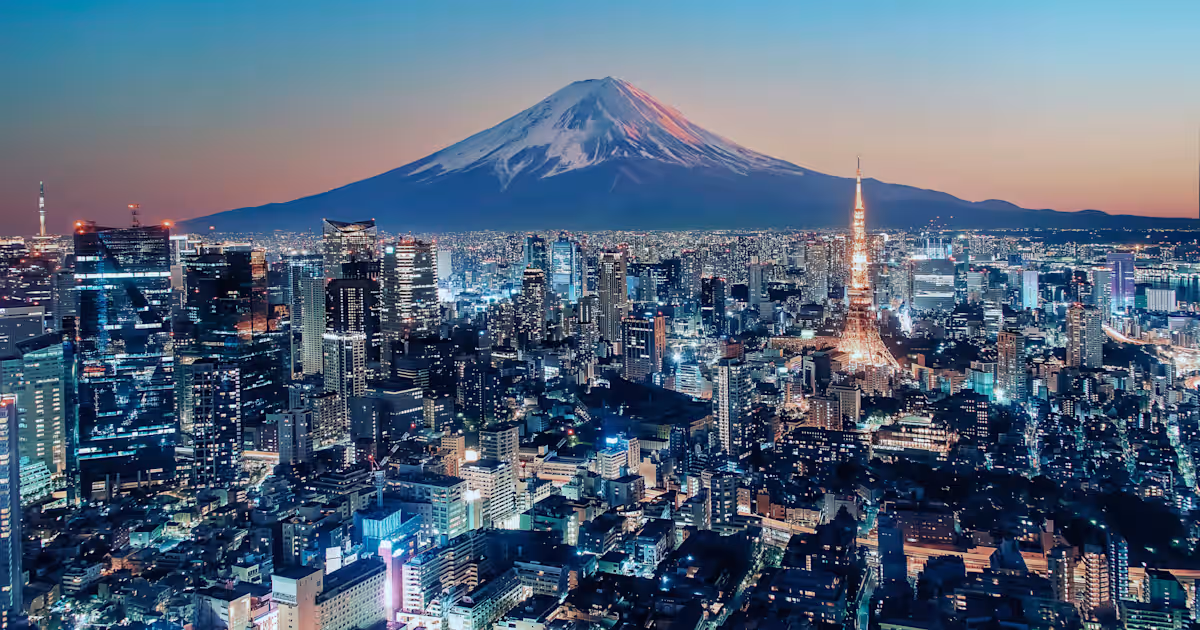
You land in Tokyo expecting something overwhelming. Instead, it feels precise, immersive, and surprisingly easy to settle into once you stop trying to control every moment.
The First Shift Happens Fast
The first thing you notice is not the size of Tokyo, it is how smoothly everything operates. You expect friction in a city this big, but instead you find rhythm. Trains arrive on time. People move with intention. Even crowded spaces feel structured instead of chaotic. Within a few hours, you stop preparing for things to go wrong and start trusting that the system will carry you through the day.
You realize everything just works
You move through train stations with thousands of people and somehow never feel lost. The signage is clear, the routes make sense, and even when you hesitate, the flow around you naturally guides you forward. There is no need to overthink each step.
It becomes clear that Tokyo is designed for movement. You are not fighting the city to get from one place to another. You are moving with it. That subtle shift changes how you experience everything. You spend less time planning and more time being present.
You start paying attention to the small details
Once you trust the system, your attention shifts. You begin to notice things you would normally overlook. The way storefronts are arranged. The precision of a simple meal. The quiet respect people have for shared spaces.
You walk down a side street and find a tiny restaurant with only a handful of seats, and it ends up being one of the best meals of your trip. You grab something from a convenience store expecting very little, and it surprises you. Tokyo makes you realize that quality is not reserved for special occasions here. It is built into everyday life.
Neighborhoods Feel Like Different Cities
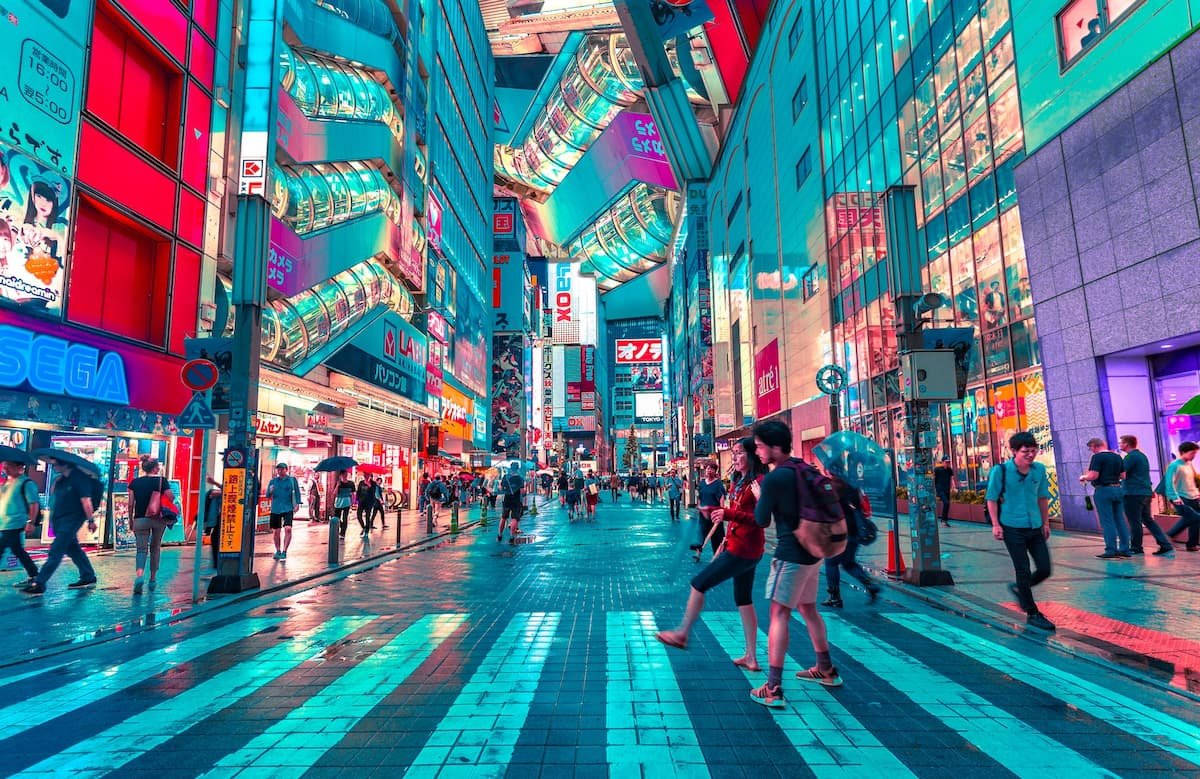
Tokyo is not one place. It is a collection of completely different experiences layered together. You can move a few stops on the train and feel like you have entered a new city with its own energy and pace.
Shibuya pulls you into the energy
Shibuya is where everything feels amplified. The famous crossing is only part of it. What stays with you is the constant motion, the lights, and the sense that something is always happening.
You cross once, then again, then linger longer than expected. Music spills into the streets. Screens tower above you. People move in every direction, but it never feels chaotic. It feels coordinated in a way that is hard to explain until you experience it yourself.
This is where Tokyo feels the most alive. Even if you are not planning to stay long, you end up staying anyway.
Shinjuku keeps you out late without trying
Shinjuku feels more layered. It is not just one experience, it is many stacked together. You have quiet streets, busy avenues, hidden bars, and restaurants tucked into upper floors that you would never notice unless you were looking for them.
You might start the evening with a simple dinner, then wander into a small alley filled with narrow bars, each with its own personality. Time moves differently here. You are not checking your phone or thinking about what comes next. You are just following the moment.
By the time you leave, you realize you have spent hours exploring without ever planning to.
Food Becomes Part of the Experience
Food in Tokyo is not just something you schedule into your day. It becomes part of how you explore the city. You stop thinking in terms of reservations and start trusting what feels right in the moment.
You stop chasing reservations
Some of the best meals happen when you are not trying to find them. You walk past a place, notice a small line, and decide to join without knowing exactly what to expect. That decision often leads to something memorable.
There is less pressure to optimize every meal. You are not trying to check off a list. You are reacting to what is in front of you. That makes each experience feel more natural and less curated.
Every meal feels intentional
Even the simplest meals feel carefully prepared. A bowl of ramen is not just quick food, it is something someone has perfected. Sushi, grilled skewers, even a basic lunch set all carry a sense of focus and pride.
You begin to notice that many places do one thing and do it extremely well. There is no need for a long menu. That clarity translates into quality. You start to appreciate how much thought goes into even the smallest details of what you are eating.
A Simple Way to Experience Tokyo in One Day
Morning
Start your day in Asakusa before the crowds build. Walk through Senso-ji while the air is still calm and the streets are just beginning to wake up. Take your time exploring the surrounding area, then stop for coffee or a light breakfast nearby.
This part of the city gives you space to ease into Tokyo. It is quieter, more traditional, and a good way to start before the pace of the day picks up. You are not rushing yet. You are settling in.
Afternoon
Head to Shibuya and let the energy take over. Cross the intersection, wander through shops, and explore without a strict plan. Step into places that catch your attention and move at your own pace.
This is where Tokyo starts to feel expansive. You see how much is happening at once, but instead of feeling overwhelmed, you feel pulled in. The more you walk, the more you understand how the city connects.
Evening
Make your way to Shinjuku as the city shifts into night. Find a place for dinner, then continue exploring without an agenda. Walk through different streets, step into places that look interesting, and let the night unfold naturally.
Tokyo feels different after dark. The lights, the atmosphere, and the pace all change. It becomes less about seeing specific things and more about being part of the experience. By the time you head back, you realize the day never felt forced. It just happened, and that is what makes Tokyo stay with you.
Ready to walk the same route?
Follow this exact journey with one tap, share it with your crew, and skip days of planning.
Written by Bas


