The Moment that Sent Cabo Verde Worldwide
One man has become the doorway through which millions of people discovered Cabo Verde and suddenly made the whole world want to know more. Before the World Cup, Vozinha had roughly 50,000 Instagram followers and only a few people had heard of the nation he represented. As of today, he has 27.6 million and counting.
The Country Behind the Moment
Cabo Verde had always been more than a place people vaguely confused with somewhere else. Sitting in the Atlantic off the coast of West Africa, the archipelago has long carried a mix of African, Portuguese, and island influences that make it feel completely distinct. Praia, the capital on Santiago Island, is where that story comes into focus first. The city has oceanfront hotels, old colonial streets, everyday markets, and a coastline that feels raw and cinematic rather than overly polished.
The Capital That Frames the Story
Start in Praia, where the country’s modern rhythm meets its Atlantic setting. Barceló Praia Cape Verde sits in the Prainha district, close to the water and within easy reach of Plateau, the historic center of the capital. This is where you can walk past government buildings, pastel facades, and stone plazas before the city drops toward the sea. It gives the trip context before it becomes a beach escape.
A First Look at Quebra Canela Beach
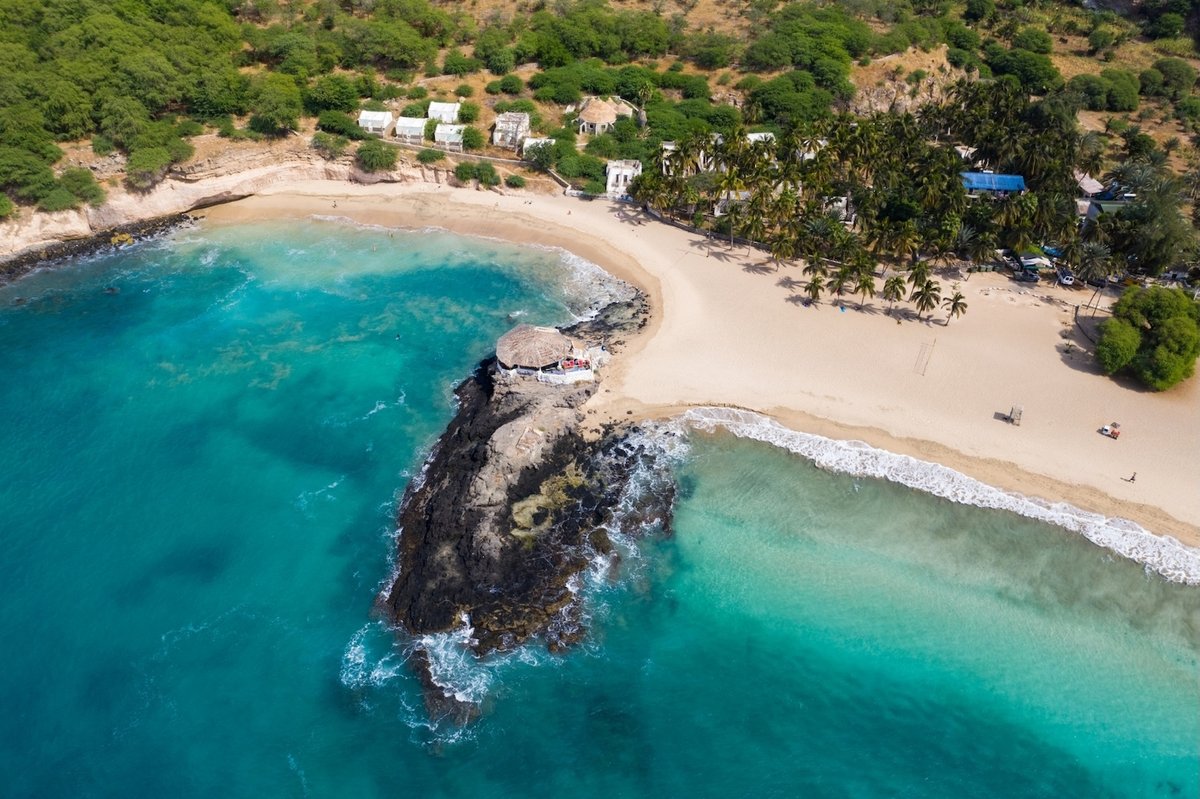
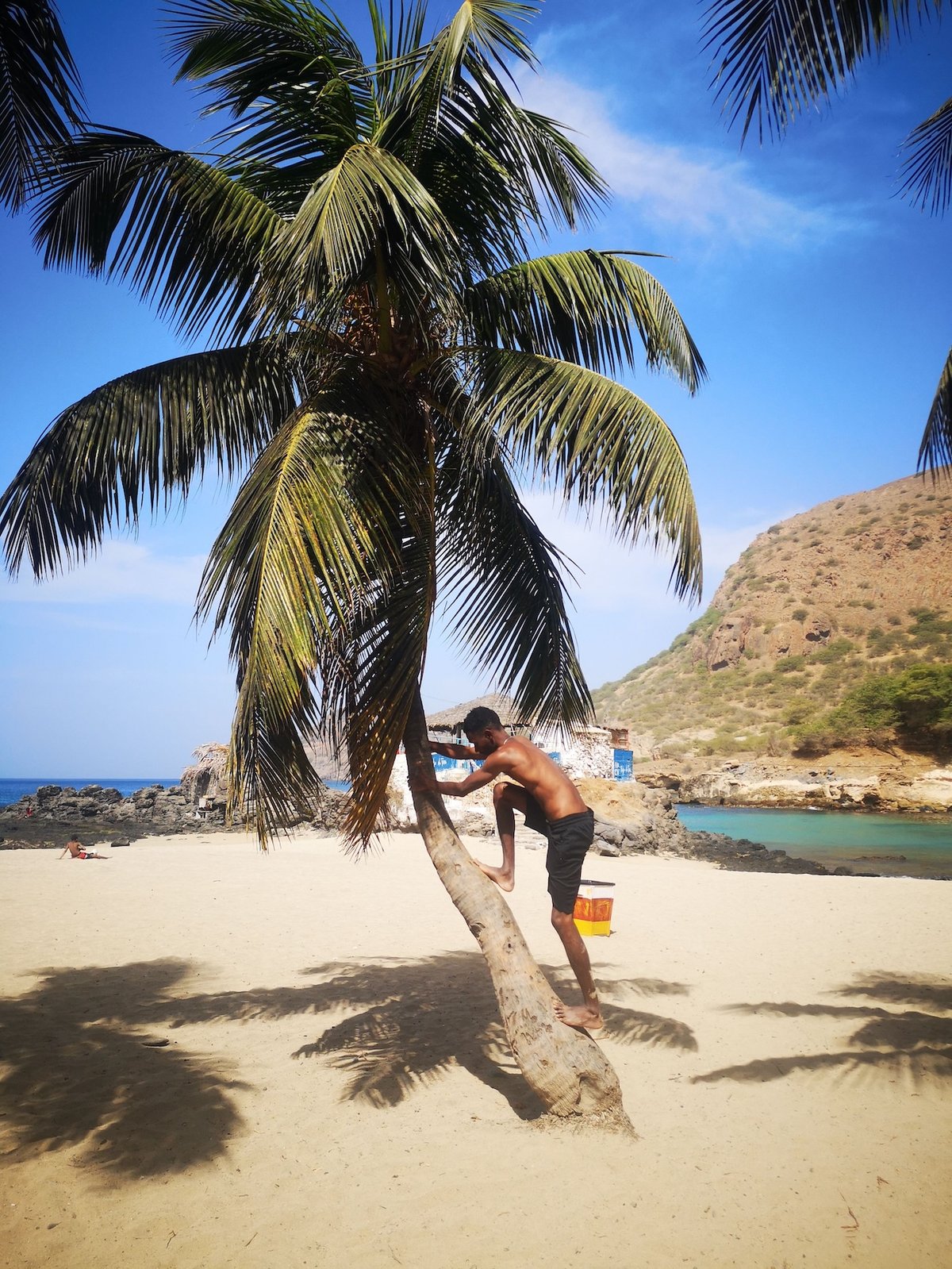
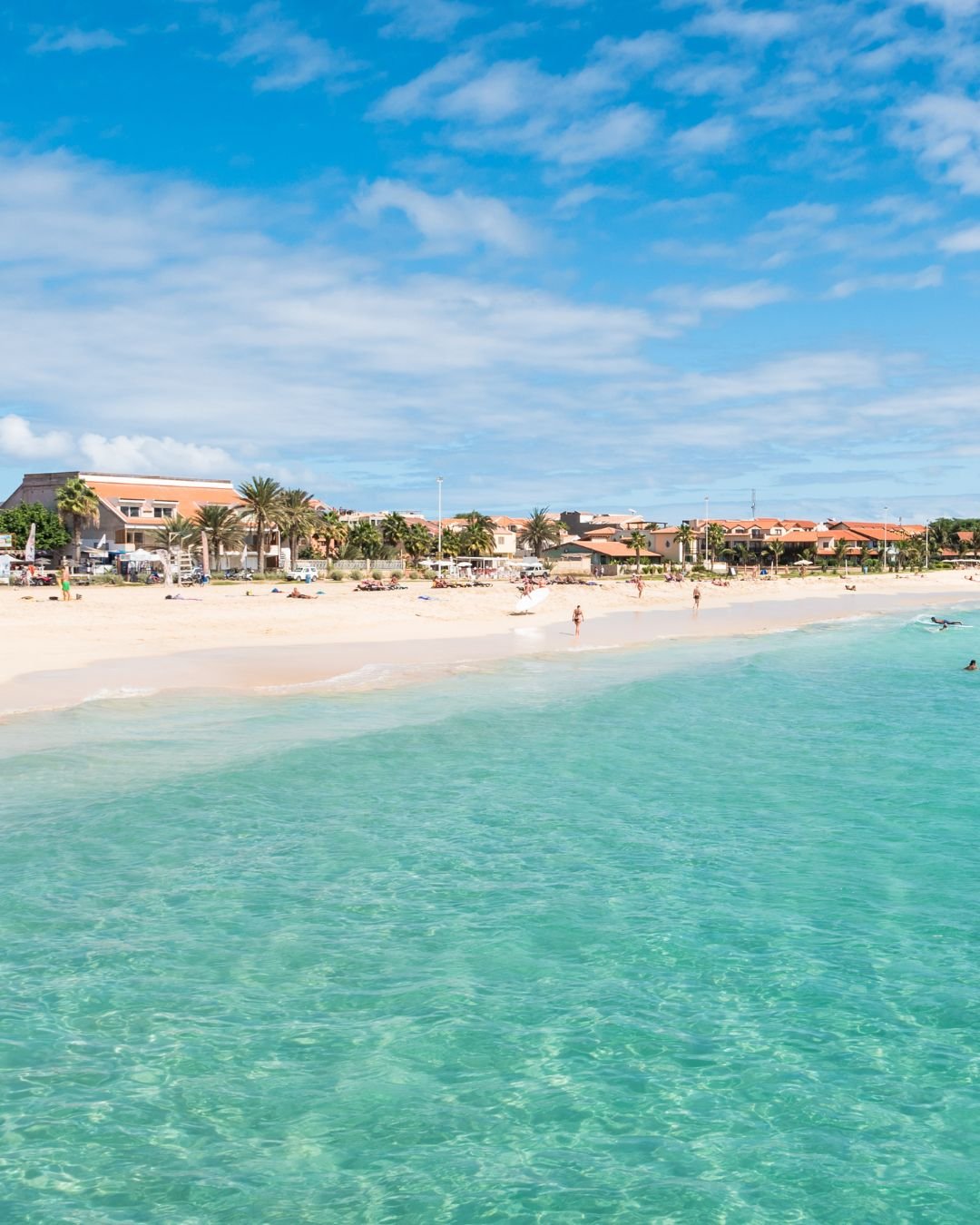
Just down the coast, Quebra Canela Beach gives Praia its softer edge. It is not the kind of beach that feels manufactured for visitors. Locals swim, friends gather, fishermen move along the shore, and cafés spill toward the sand. Order a cold Strela, listen for morna drifting through the air, and you start to understand why Cabo Verde’s appeal is not only about scenery. It is about pace, openness, and the easy confidence of a place that does not need to perform for you.
The Energy of Sucupira Market
For a sharper turn into everyday life, Sucupira Market brings the city into full color. The stalls are packed with fabrics, spices, tropical fruit, handmade goods, music, and the layered sound of Portuguese and Kriolu moving through the aisles. It is loud, casual, and alive in a way that makes the polished island-resort version of Cabo Verde feel incomplete. If Vozinha gave the world a face for the country, places like Sucupira show the culture behind it.
“In Cabo Verde, the World Cup did more than introduce a team. It gave the world a reason to look at the country behind the flag.”
History, Volcanoes, and Island Roots
History, Volcanoes, and Island Roots
The World Cup story makes Cabo Verde feel current, but the country’s deeper pull comes from how much history sits inside these islands. Santiago is the best place to begin because it holds both the capital and some of the oldest colonial history in the tropics. The landscape around Praia can feel dry, rugged, and wind-shaped, with mountains inland and black volcanic rock meeting the Atlantic along the coast.
The Weight of Cidade Velha
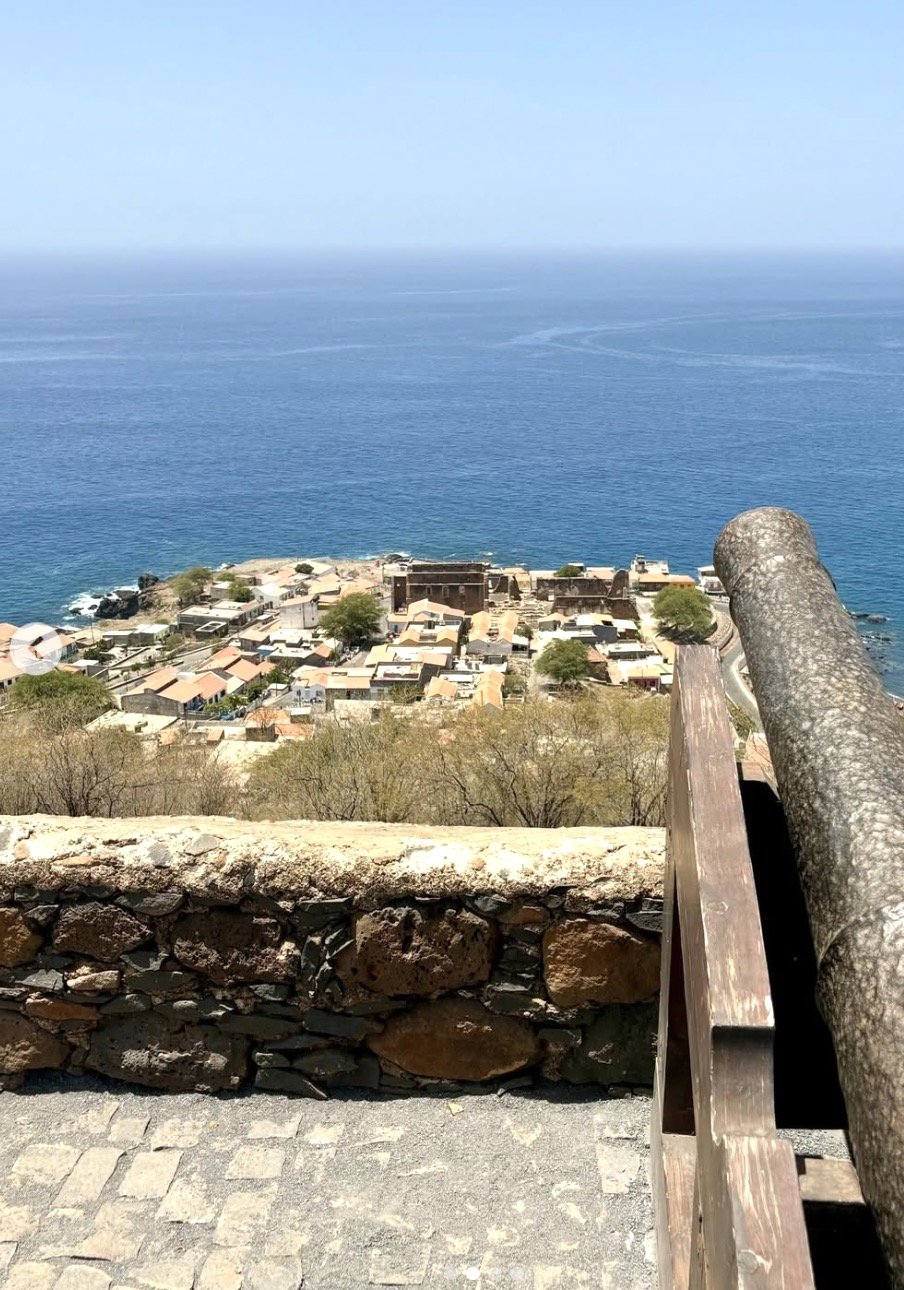
A short drive from Praia brings you to Cidade Velha, a UNESCO World Heritage site and one of the most important historic stops in the country. The Fortaleza Real de São Filipe rises above the valley, looking out across the ocean and the remains of early settlement below. It is a beautiful place, but not a lightweight one. The history here is tied to empire, trade, migration, and the complicated crossroads that shaped Cabo Verde’s identity.
Cachupa, Seafood, and Creole Flavor
Back in Praia, the food gives the trip another layer. Cabo Verdean cooking is built from the sea, the islands, and the history of people moving through them. Cachupa, the country’s signature slow-cooked stew of corn, beans, vegetables, and meat or fish, is the dish everyone should try at least once. Restaurants such as Pestana Trópico and Barceló Praia make it easy to stay near the waterfront while tasting grilled tuna, octopus, local seafood, grogue, and the warm Creole flavors that define the islands.
“The story of Santiago is written in stone streets, volcanic cliffs, Creole kitchens, and the Atlantic wind.”
Why the World Is Paying Attention
For Europeans especially, Cabo Verde is starting to land in a familiar way. It has the sunny, easy-escape appeal that Cabo San Lucas has for Americans, but with a completely different cultural identity. It is warm, social, beachy, and reachable, with enough distance to feel like you have left your regular life behind. The difference is that Cabo Verde is not just a resort shorthand. It has music, language, diaspora, football, history, and real island personality.
From Football Screens to Travel Searches
That is why Vozinha’s rise matters. People did not just follow him because he made saves. They followed because the moment felt human. A 40-year-old goalkeeper from a small island nation stood in front of Spain, held the line, and suddenly made millions of people curious about the flag on his shirt. The follower count tells one story. The bigger story is that a country many people had barely heard of became emotionally familiar almost overnight.
Where the Trip Goes After Praia
Praia is the right starting point, but Cabo Verde opens up island by island. Sal and Boa Vista are the obvious choices for long beaches, resorts, wind sports, and those wide Atlantic horizons that make the country feel built for a winter sun escape. São Vicente brings Mindelo, the cultural capital, where music and nightlife are a bigger part of the draw. Fogo adds volcanic drama. Santo Antão brings green valleys, mountain trails, and some of the most striking landscapes in the region.
"The true magic of Praia reveals itself after dark, when the acoustic strings pick up and the entire city begins to dance."
The Ultimate Praia Luxury Day Plan
Navigating Santiago Island requires a smart strategy so you can experience both the historic sights of the capital and the natural wonders of the surrounding coastline without feeling rushed. Use the Planz app to coordinate local transport, keep dinner plans organized, and make sure the group has time for the places that give Praia its real sense of place. Here is the daily flow that works well for a first trip.
Morning Plates and Historic Walks
Start around 8:30 AM with espresso, fruit, and a slow breakfast before heading into Plateau for a morning walk. This is the best time to see the historic center before the day gets too hot and before the streets get busier. Walk the plazas, look out toward the water, and give yourself time to understand Praia as a capital city, not just a stop on the way to the beach.
Afternoon Bluffs and Beachfront Resets
After lunch, use the afternoon for either history or the coast. Head down to Cidade Velha if your group wants the deeper story of Santiago, or stay closer to Praia and reset at Quebra Canela Beach. This is where the day can loosen up. Swim, sit by the water, order something cold, and let the schedule breathe a little before the evening starts.
Evening Toasts and Creole Feasts
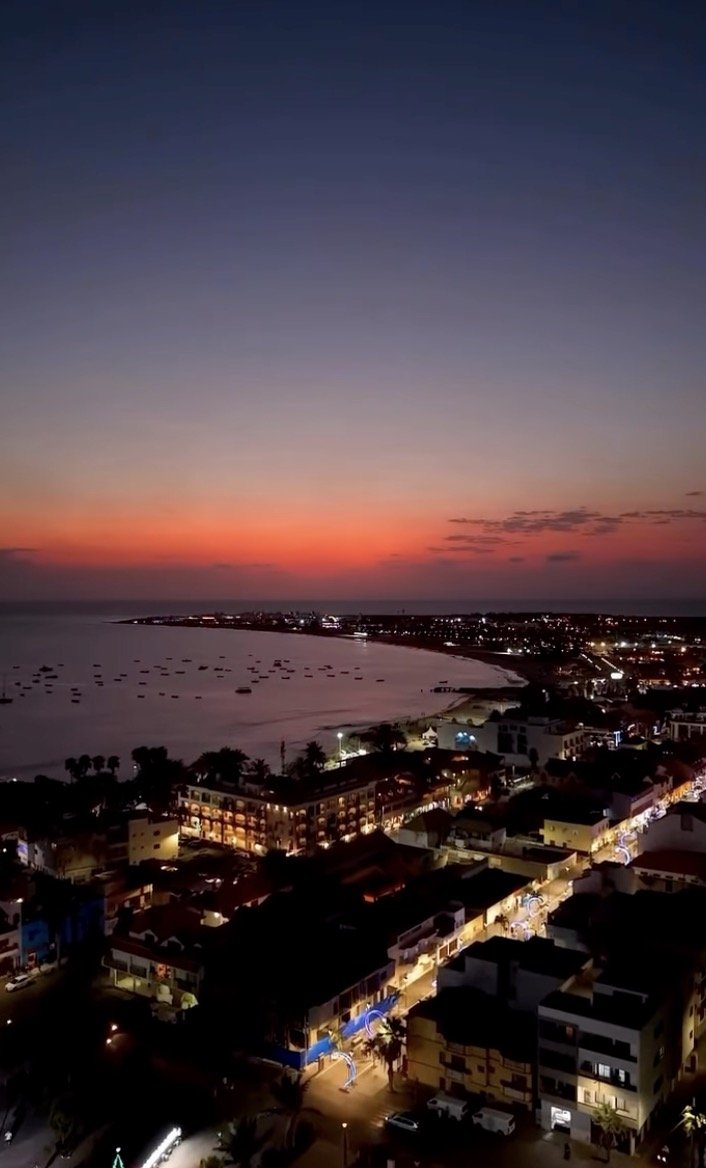
Save the final hours of the day for a proper dinner at Barceló Praia, Pestana Trópico, or another local favorite where seafood, cachupa, and island cocktails can carry the night. After dinner, look for a rooftop, a live music room, or a relaxed bar where morna, coladeira, or funaná gives the evening its rhythm. Praia is at its best when the day turns social, the Atlantic air cools, and the city starts to feel less like a destination and more like an invitation.
Ready to walk the same route?
Follow this exact journey with one tap, share it with your crew, and skip days of planning.
Written by Nicole


