Lisbon The Seven Hill Adventure
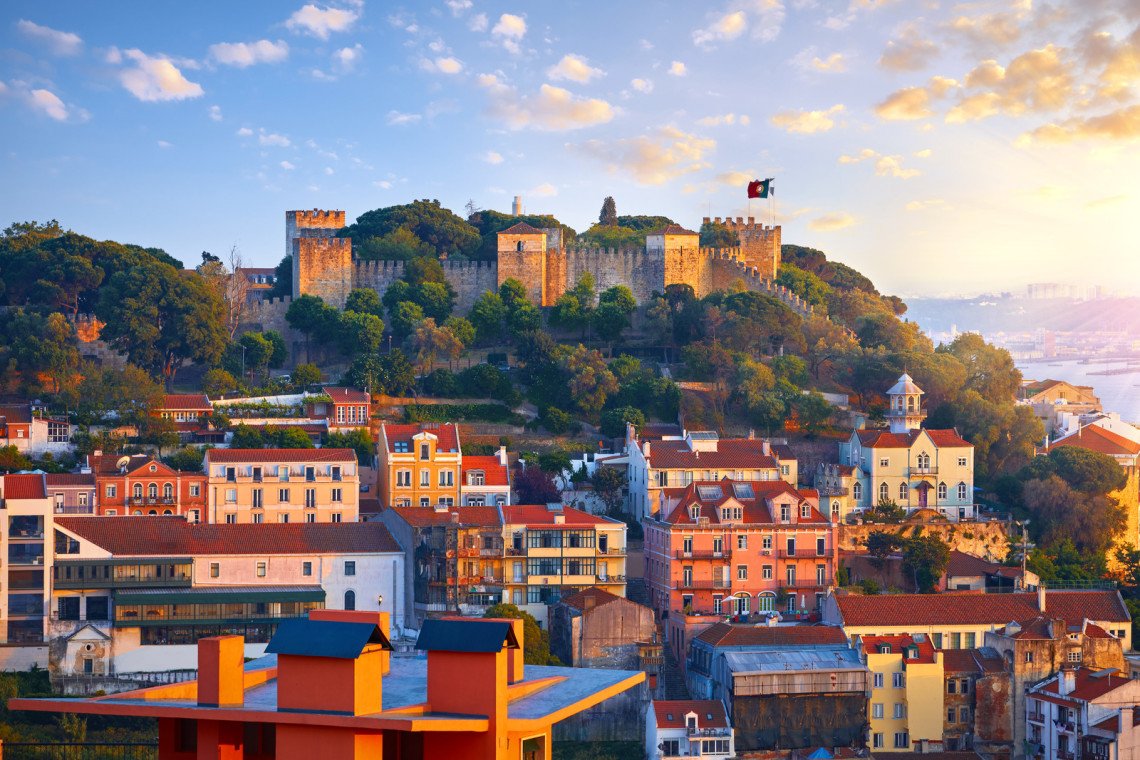
Lisbon is a sun bleached architectural labyrinth that will absolutely crush your legs if you arrive without a solid strategy.
Conquering the Alfama Maze
We dropped our bags and immediately learned that mastering this coastal capital requires avoiding the massive tourist traps and hunting down the authentic underground energy. The oldest district in the city is a dense web of steep cobblestone streets and hidden courtyards that digital maps simply cannot navigate. Our crew realized immediately that trying to follow a phone screen here is a rookie mistake and marks you as a target for aggressive walking tours.
You have to let the narrow winding alleys guide you while keeping the bright blue Tagus River in your peripheral vision as a natural compass. The sheer verticality of the neighborhood weeds out the casual crowds by midday. We spent our time ducking into tiny taverns carved directly into the ancient stone walls to escape the heat and drink cold green wine from unbranded glass jugs. The authenticity here is thick and you have to earn it by destroying your calves on the brutal stone staircases.
The Yellow Tram Illusion
Every single guidebook tells you to ride the historic yellow tram through the city center to see the sights. Do not waste two hours of your life standing in a massive line just to be packed into a sweltering wooden box with pickpockets and exhausted tourists. The ultimate insider move is walking the exact route of the tram tracks at dawn. You get the same stunning architectural views of the cathedral and the pastel houses without the crushing claustrophobia. We captured flawless photos of the empty yellow tram cars rattling past the intricate tile facades while everyone else was still waiting at the terminal. It is a massive psychological win that sets the pace for the rest of the day.
The Viewpoint Strategy
Lisbon is famous for its elevated terraces called miradouros but the most popular ones are completely overrun by sunset. We completely bypassed the crowded Portas do Sol and led our group higher up the hill to a lesser known terrace hidden behind a residential block. We grabbed local beers from a nearby corner kiosk and sat on the ancient stone walls as the sky turned a brilliant bruised purple over the red terracotta roofs. Watching the city illuminate piece by piece from a private vantage point makes the brutal uphill climb completely worth it.
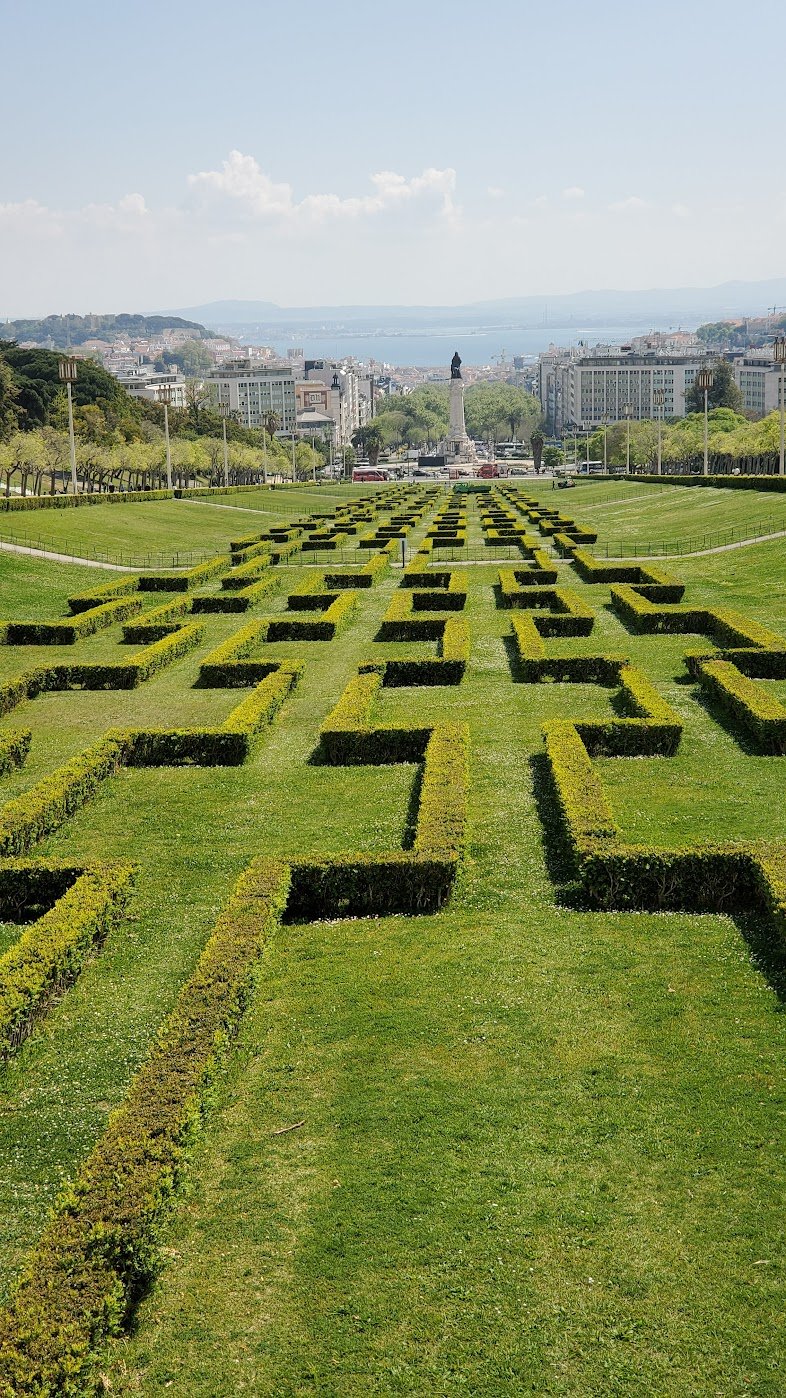
Lisbon is best experienced without rushing anywhere.
The Culinary Underground
The food scene in this city has exploded but the waterfront is lined with aggressive hosts holding laminated menus in four different languages. If someone tries to wave you into their restaurant you must keep walking without breaking your stride. Our group hunted down the modern tascas hidden deep in the residential grids of the Bairro Alto and Principe Real neighborhoods. These are small loud dining rooms where young chefs are taking traditional salted cod and transforming it into high end culinary art. You want a table where the plates are meant to be shared and the natural wine list focuses strictly on small local vineyards producing unfiltered bottles.
The Seafood Imperative
You cannot visit the Portuguese coast without diving into the seafood culture but you must avoid the sterile modern food halls built for international crowds. We routed our crew to a loud chaotic seafood temple in the Mouraria district where the waiters slam down plates of garlic butter clams and giant tiger prawns. The tables are covered in simple paper and you are expected to eat the grilled sardines with your hands while tearing off pieces of crusty bread. We ordered massive copper pots of seafood rice that bubbled with deep oceanic flavors and washed it all down with a sharp white wine that cut perfectly through the richness.
The Custard Tart Mission
The famous pasteis de nata are a mandatory experience but the massive bakery in Belem commands a line that wraps entirely around the park. Our crew absolutely refuses to wait an hour for any pastry regardless of the historical significance. We found a small independent bakery in the Chiado district where they ring a brass bell every time a fresh batch comes out of the ovens. The tarts were blistering hot with a perfectly caramelized top and a flaky crust that shattered immediately upon the first bite. Eating three of these standing on the cobblestones with a bitter shot of espresso is the absolute best way to spike your blood sugar for the next hill.
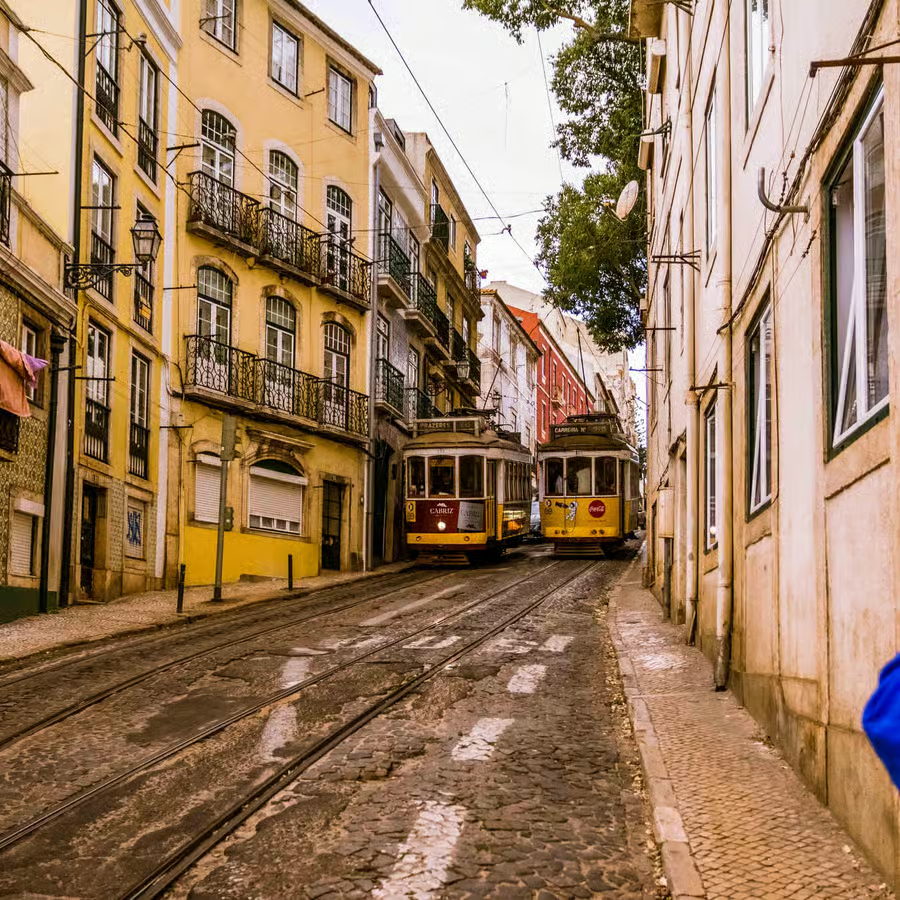
Every street feels like it belongs to someone.
The Late Night Fado Reality
Experiencing the melancholic traditional music known as Fado is essential but the dinner shows advertised in the hotel lobbies are highly sanitized and massively overpriced. We wanted the raw emotional weight of the real thing so we waited until midnight to make our move. Our group slipped into a tiny dark bar in the Madragoa neighborhood where there was no cover charge and no elevated stage. The singer simply stood up from a table in the corner and silenced the entire room with a voice that carried hundreds of years of oceanic heartbreak.
The Bairro Alto Transition
When the Fado sets end the energy of the city completely shifts and you need to move into the Bairro Alto grid. This neighborhood transforms from a quiet residential block into a massive open air street party the moment the sun goes down. We ignored the large pulsing nightclubs and found a tiny speakeasy hidden behind an unmarked green door serving artisanal mezcal. The true nightlife culture here is buying a drink in a plastic cup and standing in the narrow street talking with locals until the early hours of the morning.
The Waterfront Come Down
After surviving the intense verticality of the city all day and the chaotic street parties all night your crew needs a flat surface to decompress. We walked down the steep hills to the edge of the Tagus River at three in the morning to escape the noise. Sitting on the concrete steps by the water and watching the massive suspension bridge glow against the dark sky is the perfect way to bring the heart rate down. The cool ocean breeze strips away the heat of the crowds and leaves you ready to sleep.
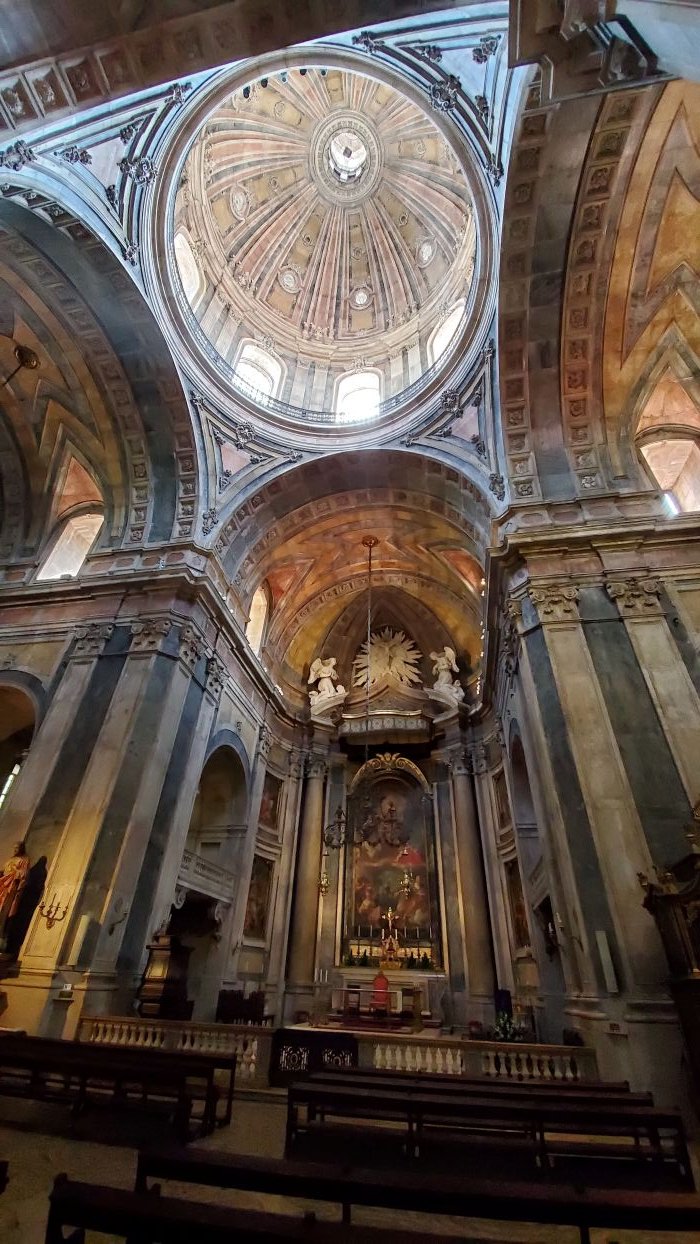
Executing the Coastal Capital Dive
If you want to claim the seven hills without destroying your momentum here is exactly how our crew handled the first twenty four hours in Lisbon.
Morning The High Ground Assault
We skipped the hotel breakfast entirely and started our climb up the steepest paths of the Alfama district at dawn. Your crew needs to push past the viewpoints while the city is completely silent and the light hits the pastel buildings perfectly. We rewarded the physical effort with a stop at an independent roaster for strong espresso and blistering hot custard tarts fresh from the oven. This early push filters out the casual tourists and gives you absolute ownership of the oldest streets before the cruise ships unload.
Afternoon The Riverside Reset
Contrast the intense vertical climb of the morning with a flat and fast electric scooter ride along the waterfront towards the Belem district. Riding parallel to the river offers a massive psychological break and a necessary visual reset for the entire group. We spent the afternoon exploring the brutalist architecture of the modern art museums and eating fresh grilled fish at a quiet corner cafe far from the massive tour buses.
Evening The Underground Sound
End the day far away from the bright lights and aggressive restaurant hosts of the main squares. We took the crew deep into a residential neighborhood to find an authentic tasca serving massive copper pots of seafood rice and unlabeled house wine. Afterward we found a dark corner tavern to listen to the raw unamplified sounds of authentic local musicians before joining the massive street party outside. This is how you close out a high energy day in a city built on ancient maritime traditions.
Ready to walk the same route?
Follow this exact journey with one tap, share it with your crew, and skip days of planning.
Written by Bas


