Kyoto: The Ancient City Master Plan
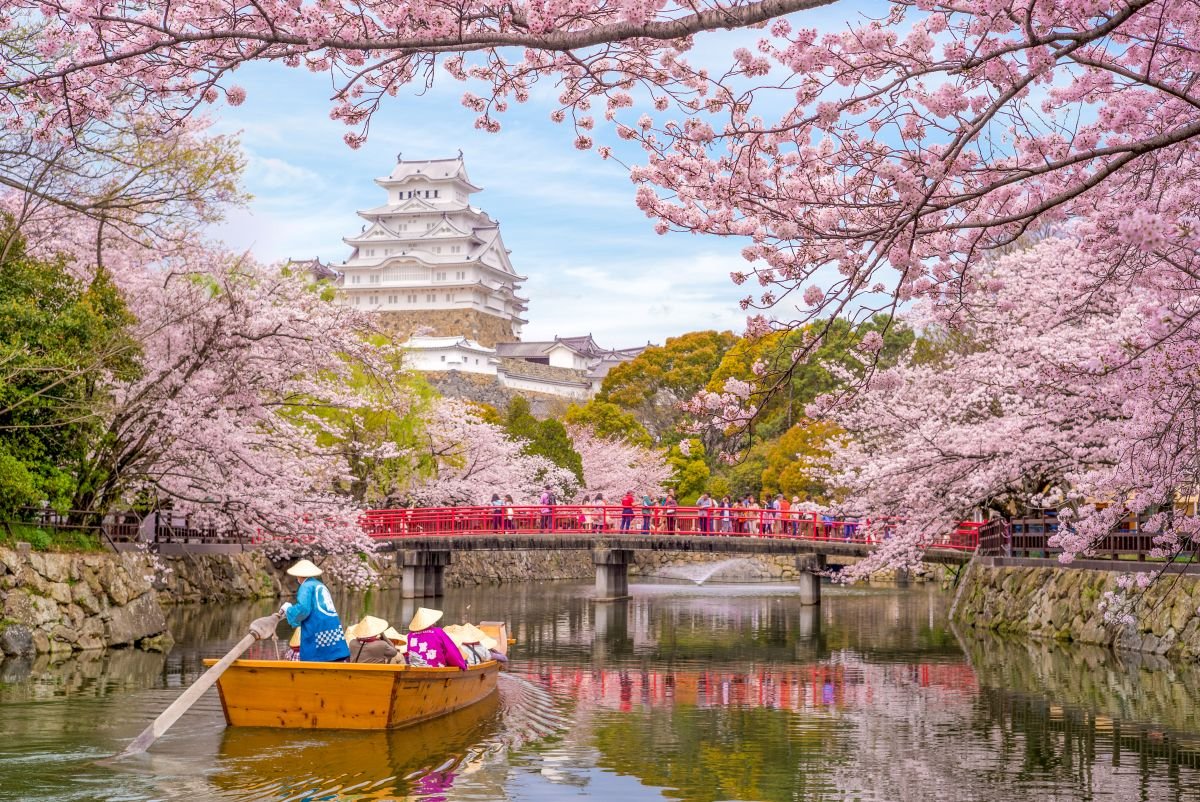
You have to treat this city like a beautifully preserved puzzle and bypass the viral traps completely.
Beating the Bamboo Crowds
Kyoto is currently drowning under the weight of global tourism but your crew is not going to stand in a single line. The standard guidebook approach will leave you exhausted and frustrated. If you try to see every major temple in three days you will spend half your trip staring at the back of a tour guide. The winning move is to select high impact locations and hit them at the exact right hour.
Arashiyama
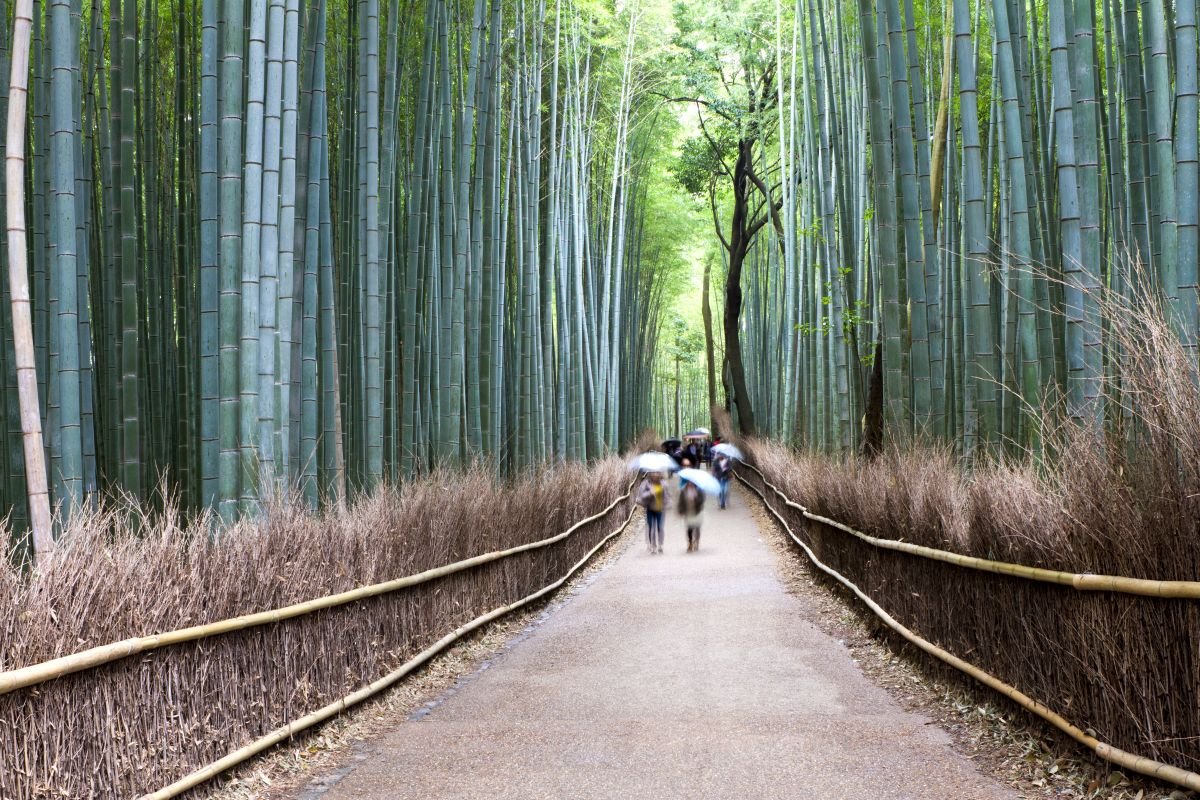
Arashiyama is a visual masterpiece that turns into a suffocating nightmare by nine in the morning. Every standard guided tour drops hundreds of people at the exact same entrance. Do not subject your group to the shuffling herd of selfie sticks. The authority move is arriving at the grove by six in the morning when the mist is still hanging off the stalks. You get the iconic photos in total silence. Once the buses arrive you immediately hike up the hill to Okochi Sanso Garden. It is a private sprawling villa with arguably better bamboo pathways and a mandatory cup of hot matcha included in the entry fee. Your crew gets the aesthetic win while everyone else is fighting for walking space below. After exploring the garden you can walk down to the Katsura River and grab a pour over coffee from the independent kiosks before the line wraps around the block.
The Gion Reality Check
The historical geisha district of Gion has officially closed off many private alleys to tourists. Do not be the group awkwardly wandering around looking for a photo op. The real energy of Kyoto at night happens right along the Kamo River. Grab some cold tallboy beers from a Lawson convenience store and sit on the riverbank with the locals as the sun goes down. When you are ready for dinner you cross over into Pontocho Alley. It is a narrow atmospheric corridor packed with hanging lanterns and hidden restaurants. Skip the overpriced tourist menus right at the entrance. You want to push deep into the alley and find a subterranean yakitori joint where the smoke is thick and the skewers are grilled over binchotan charcoal. Order a round of highballs made with local Japanese whiskey and let the tight quarters force your crew to bond.
The Eastern Mountain Strategy
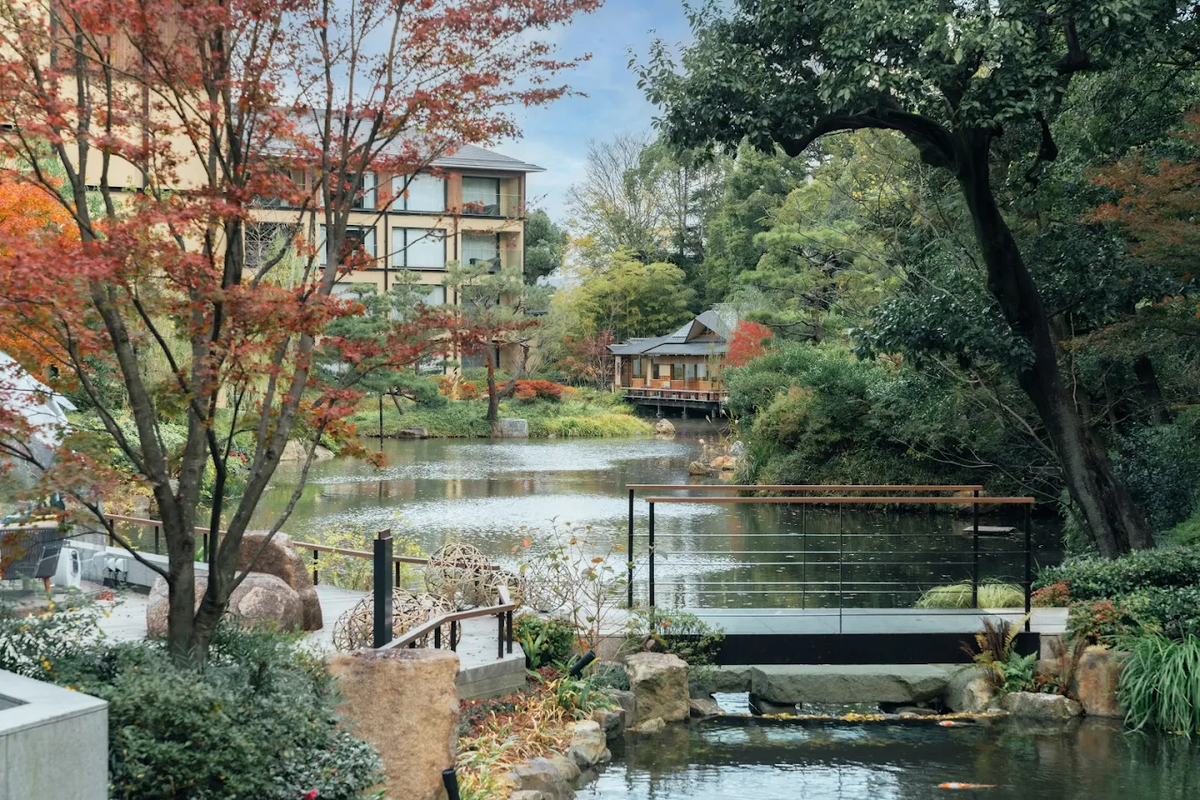
The Higashiyama district holds the most famous temples in Japan but it is also the biggest logistical trap. Walking up to Kiyomizu temple at noon means swimming through a sea of rented kimonos and exhausted crowds. The smart play is the sunset approach. The crowds thin out dramatically as the sky turns orange and the massive wooden stage offers the best elevated view of the entire city. Better yet you can completely bypass the main temple and route your crew to Kodai temple just down the street. It features pristine zen rock gardens and an illuminated bamboo grove that rivals Arashiyama but with a fraction of the foot traffic. It delivers the exact historical weight you want without the claustrophobia.
Two Wheel Domination
Relying on the Kyoto bus system is a fatal error for a large group. The traffic is brutal and standing on a packed city bus ruins the aesthetic of the trip. The ultimate insider move is renting electric assist bicycles for the entire crew. Kyoto is remarkably flat and built on a grid. Riding north along the Kamo River path with the mountains in the distance is a massive psychological win. You can breeze past the gridlocked tour buses and lock up your bikes right outside the smaller local shrines. It turns the transit itself into one of the best parts of the day. The electric motor makes the slight inclines effortless and lets your group cover three times the ground of a standard walking tour.
Modernizing the Tea Ceremony
Sitting on a tatami mat for three hours during a rigid traditional tea ceremony sounds great on paper but it usually kills the momentum of a fast moving group. The modern move is finding the new wave of minimalist matcha cafes tucked into hundred year old machiya townhouses. You get the architectural heritage of a wooden courtyard combined with concrete countertops and industrial design. Order the highest grade ceremonial matcha poured over artisanal ice cream. It gives your crew the culinary heritage of the city in a format that actually fits the pace of the trip.
The Northern Mountain Escape
When the downtown grid feels too heavy you need to take the local train north to the mountain village of Kurama. This is where you trade the crowded city streets for towering cedar trees and raw nature. The hike from Kurama to Kibune is a moderate trek that crosses over twisting tree roots and passes ancient mountain shrines. It forces the group to disconnect from their phones and engage with the environment. Once you cross the mountain you will end up in Kibune where restaurants build dining platforms directly over a rushing river. Eating cold noodles over the rushing water is a highly specific cultural experience that no bus tour can ever replicate.
Executing the Kyoto Dive: Day One
If you want to claim the ancient capital without losing your mind here is exactly how your crew handles the first twenty four hours.
Morning: The Mountain Gate Ascent
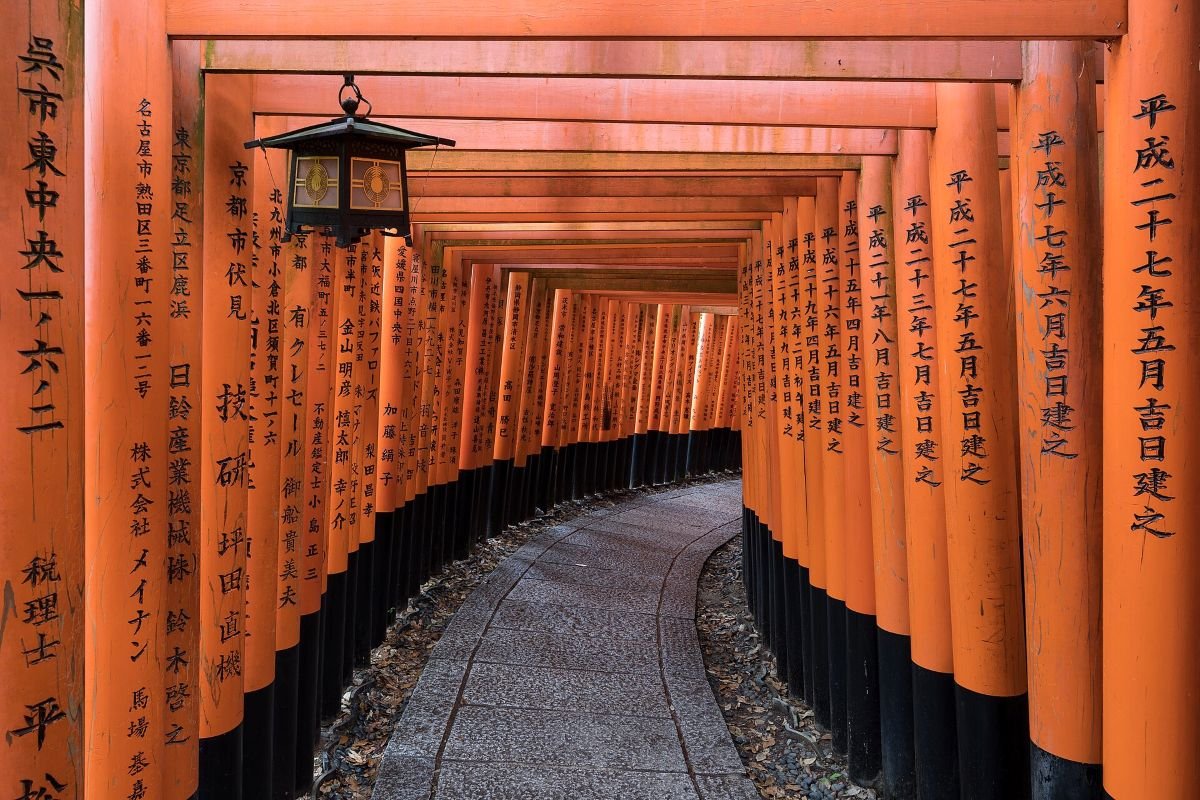
Fushimi Inari is mandatory but the lower levels are a tourist trap by eight in the morning. Your crew is starting the climb at dawn. You will push past the crowded crossroads and hike high into the mountain where the vermilion gates are covered in moss and the forest is completely silent. The physical effort filters out the casual tourists. Celebrate the descent with fresh kitsune udon at a local noodle shop near the base. Order the thick noodles topped with sweet fried tofu which is a regional specialty tied directly to the fox spirits of the shrine.
Afternoon: The Silver Pavilion Reset
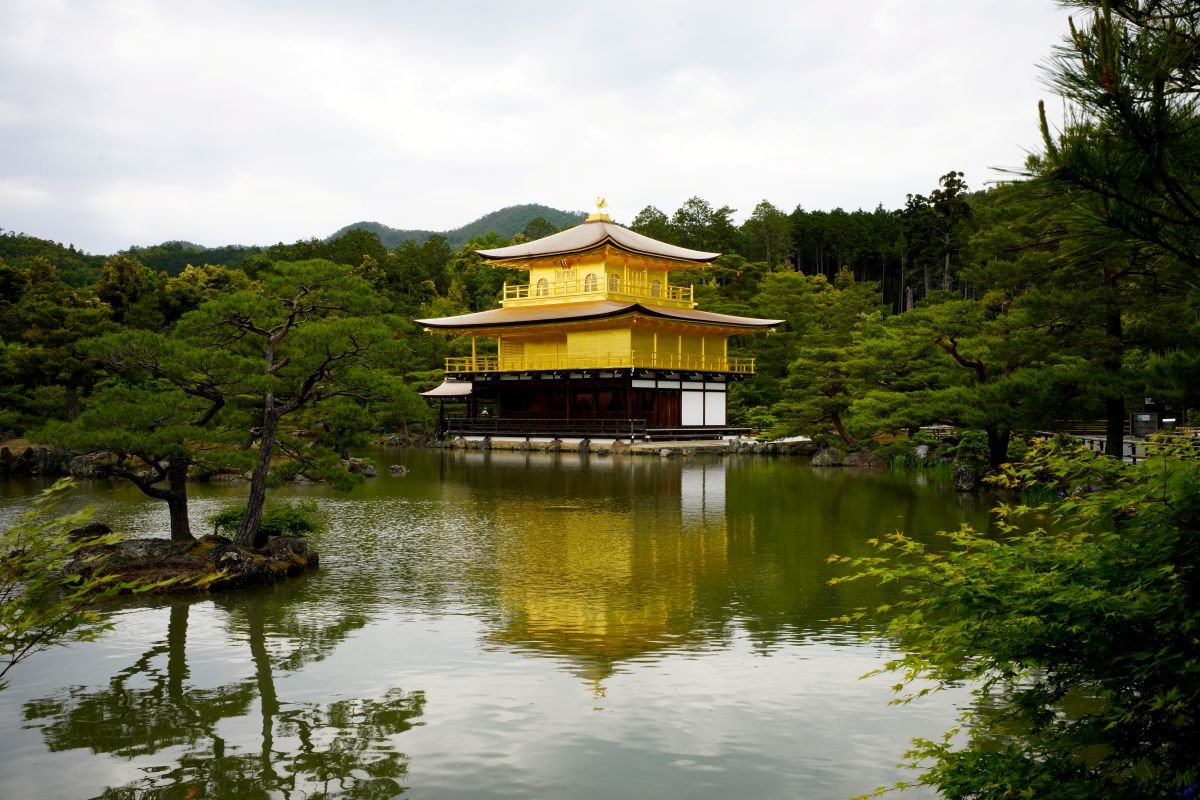
Skip the blinding gold of Kinkaku temple and take your group to the Silver Pavilion instead. The aesthetic is raw wood and meticulously raked white sand. It represents the concept of finding beauty in imperfection. After absorbing the quiet architecture you will walk the Philosopher Path. It is a stone walkway following a cherry tree lined canal that offers a necessary visual reset for the group. Stop at an independent roaster along the canal for a hand drip coffee to keep the energy high.
Evening: The Hidden Fire
End the day far away from the bright lights of the main avenues. You are taking the crew to an intimate izakaya hidden near the old imperial palace walls. You want a place that specializes in seared wagyu beef and unfiltered sake. Order a massive spread for the table and let the group decompress. This is how you close out a high energy day in a city built on ancient traditions.
Ready to walk the same route?
Follow this exact journey with one tap, share it with your crew, and skip days of planning.
Written by Nicole


